

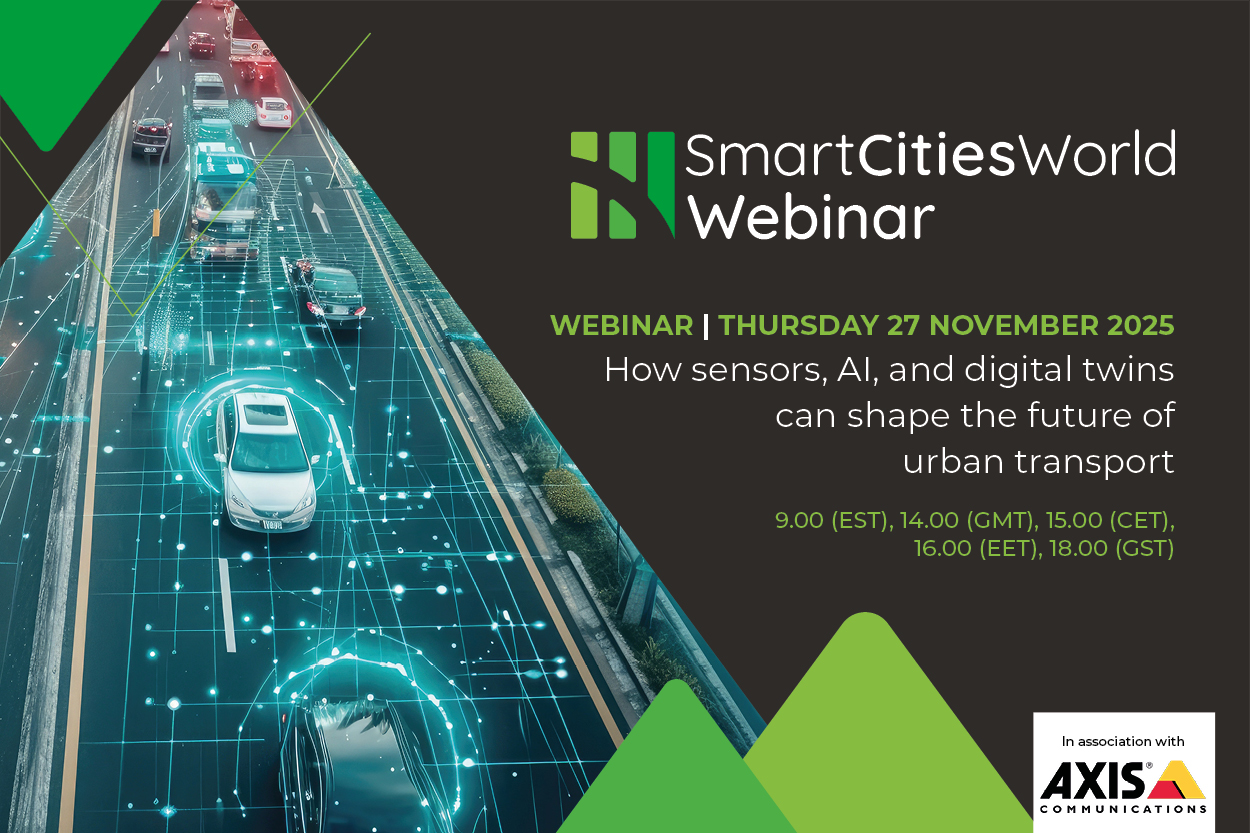
Urban transport systems are undergoing a profound transformation, driven by the convergence of sensor networks, artificial intelligence (AI), and digital twin technology. An on-demand webinar titled "How sensors, AI, and digital twins can shape the future of urban transport" brings together leading voices to examine how these innovations can create more efficient, resilient, and sustainable mobility networks for cities worldwide.
The Role of Sensors in Modern Transport
Sensors have become the nervous system of modern transport infrastructure. From traffic cameras and inductive loop detectors to environmental sensors and GPS trackers, these devices collect vast amounts of real-time data on vehicle movements, road conditions, air quality, and passenger flows. The webinar highlights how municipalities are deploying Internet of Things (IoT) sensor networks to monitor congestion, detect incidents, and optimize signal timings. For example, smart traffic lights can adjust phases based on actual demand, reducing wait times and emissions. Sensors also enable asset monitoring—tracking the health of bridges, tunnels, and rail tracks to predict failures before they occur.
Artificial Intelligence: Turning Data into Decisions
While sensors generate data, AI provides the intelligence to interpret and act upon it. Machine learning algorithms analyze historical and real-time patterns to forecast traffic, recommend routes, and manage multimodal transport systems. The panel discussion emphasizes how AI-powered platforms can integrate data from buses, trains, ride-share services, and bicycles to offer seamless journey planning. During the webinar, experts share case studies where AI reduced peak-hour congestion by up to 20% and improved public transit reliability. AI also enhances safety by identifying near-miss events and suggesting infrastructure improvements—a key step toward Vision Zero goals.
Digital Twins: Simulating and Optimizing Cities
Perhaps the most transformative technology discussed is digital twinning—a dynamic virtual replica of physical transport systems. By combining sensor data, AI models, and 3D mapping, cities can create digital twins that simulate traffic scenarios, test infrastructure changes, and predict the impact of new policies. The webinar illustrates how digital twins enable "what-if" analysis: What happens if a major road is closed? How will a new bike lane affect traffic flow? What are the carbon savings of electrifying a bus fleet? Real-time synchronization with physical assets allows operators to monitor and adjust operations remotely. One featured example shows a European city using a digital twin to coordinate emergency vehicle routing, shaving precious minutes off response times.
Building Resilient Infrastructure for Future Cities
A recurring theme in the webinar is resilience. As climate change intensifies extreme weather events, transport systems must withstand and quickly recover from disruptions. Sensors detect flooding, ice, or structural stress, while AI models predict vulnerabilities. Digital twins become crisis-management tools, simulating evacuation routes and resource allocation. The discussion also touches on climate finance—how cities can unlock funding for smart infrastructure projects by demonstrating clear return on investment through data-backed proposals. The on-demand series includes a related session on "Unlocking climate finance: building city capacity and partnerships," emphasizing the need for collaboration between public agencies, private sector, and international organizations.
Key Takeaways for Urban Practitioners
The webinar concludes with actionable recommendations for city planners, transport authorities, and technology providers:
- Start with clear objectives: Define the problems you want to solve—congestion, safety, emissions—and select technologies that align with those goals.
- Invest in data integration: Break down silos between departments and create shared data platforms to maximize the value of sensor networks.
- Pilot digital twins incrementally: Begin with a single corridor or mode before scaling to citywide systems.
- Prioritize cybersecurity: As connectivity increases, protect critical infrastructure from potential threats.
- Engage communities: Transparently communicate how data is used and involve citizens in planning equitable solutions.
The recording of this on-demand webinar is now available, alongside related trend reports and newsletters that keep professionals informed of the latest developments. As cities continue to grow and evolve, the integration of sensors, AI, and digital twins will be essential to creating smart, sustainable, and resilient urban transport systems that serve all residents.
Source: Smart Cities World News